




Pallet Rack Safety Netting vs Wire Mesh: Compare Coverage and Attachments
Staging preview.
Compare pallet-rack safety netting and wire-mesh guards by the stored items, required coverage, access and complete attachment arrangement. Flexible netting and rigid framed panels are different systems. Neither should be selected from the mesh material alone or treated as a repair for an overloaded or damaged rack.
Define what the boundary must address
Identify the side of the rack involved and the people, equipment or work area beyond it. Record the stored-unit dimensions, weight and the parts that might separate from a load. The required coverage for loose items may differ from the arrangement for a stable packaged unit.
Show pallet depth, normal overhang and the rack geometry on the plan. The rack-backing guide explains why coverage and load clearance must be coordinated. Avoid assuming that a photograph of a protected rack establishes the correct arrangement for a different inventory.
Compare complete systems
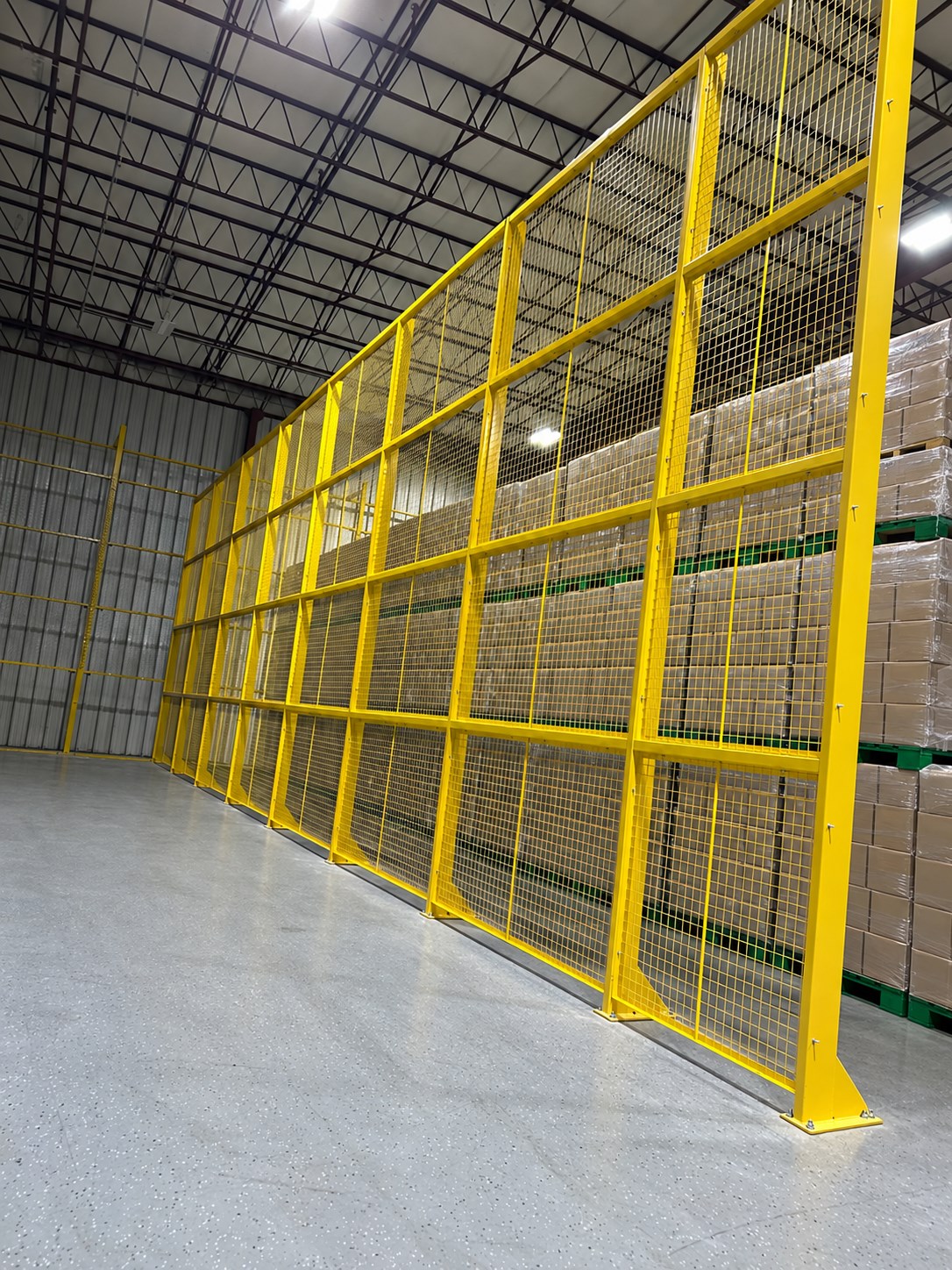
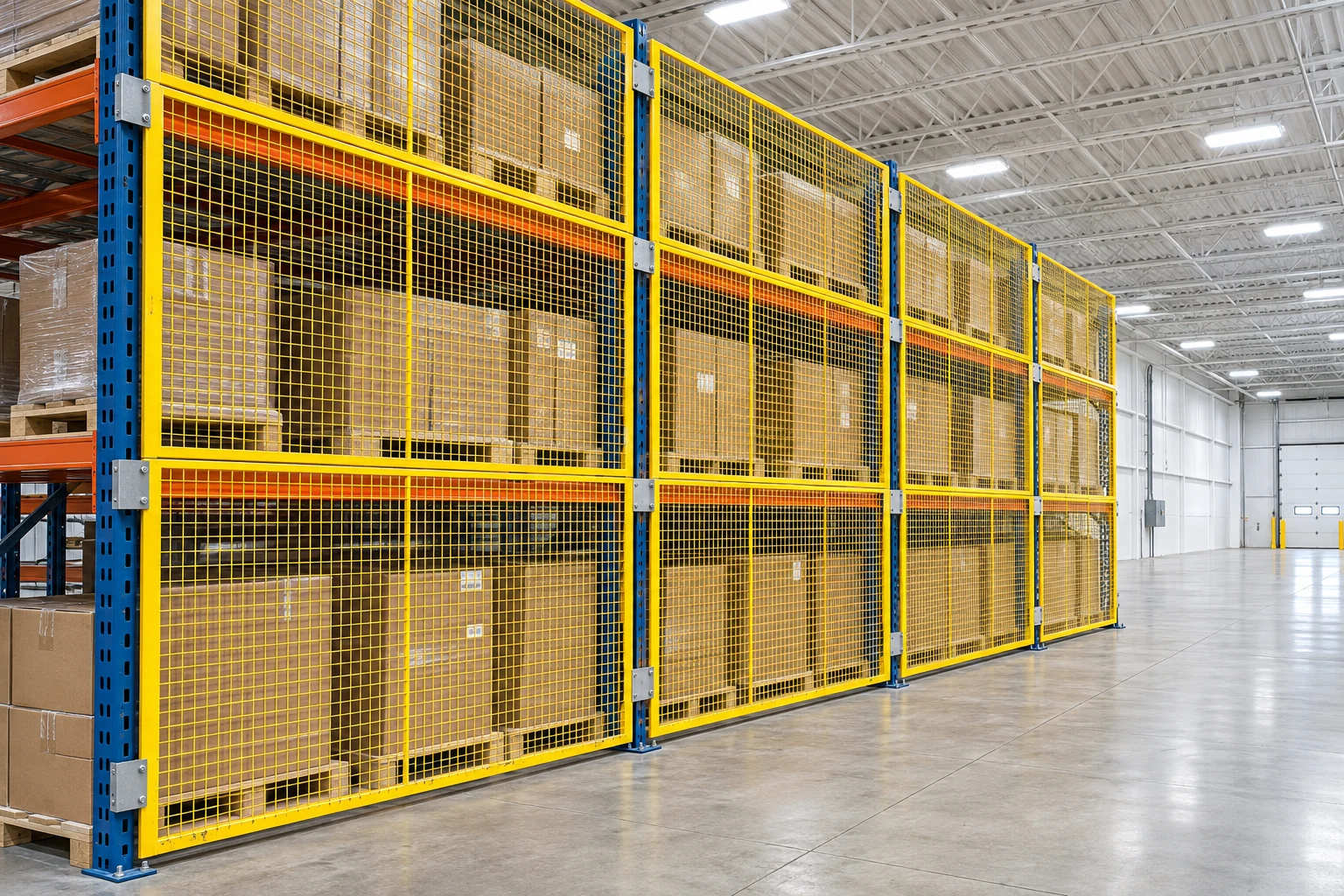
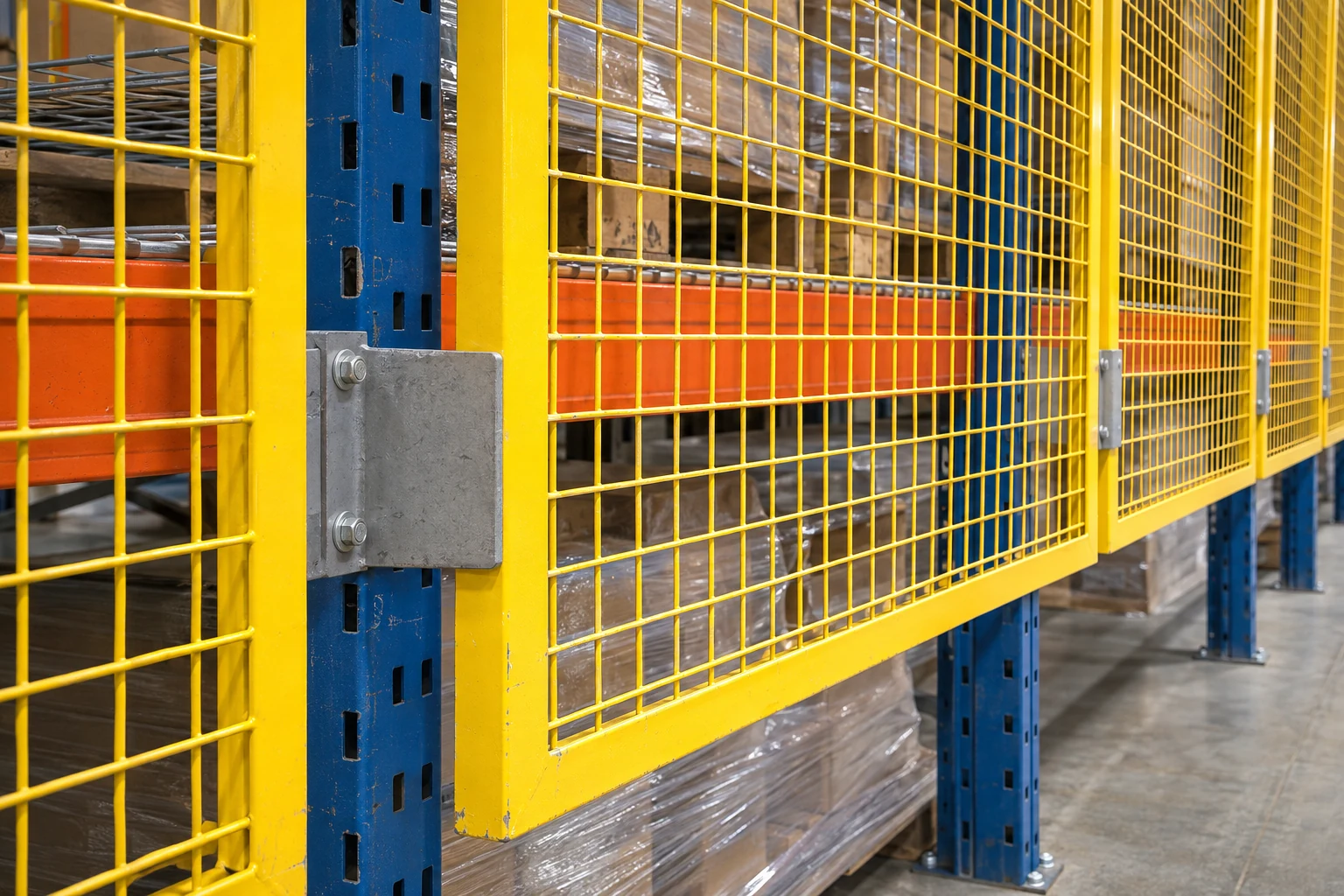
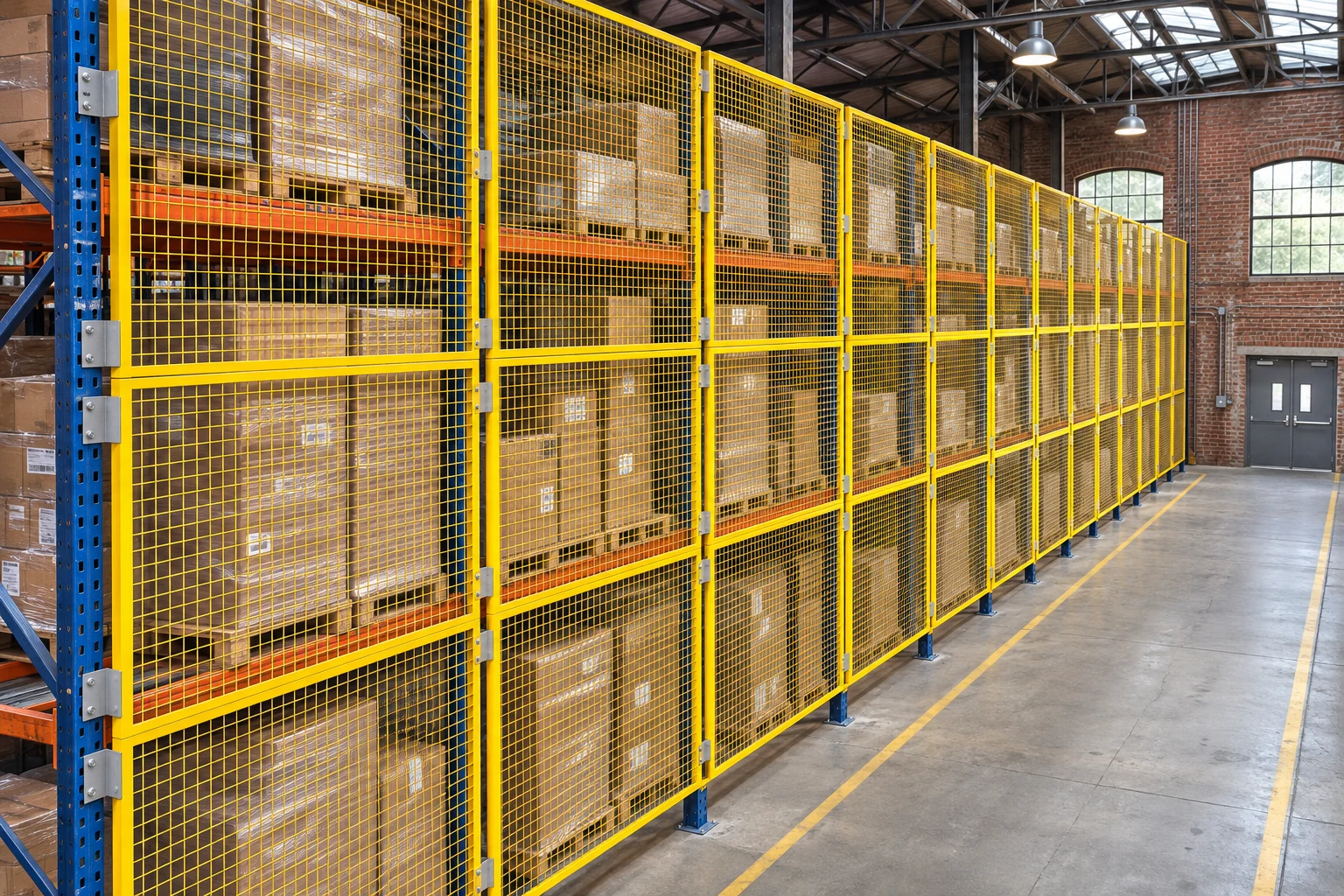
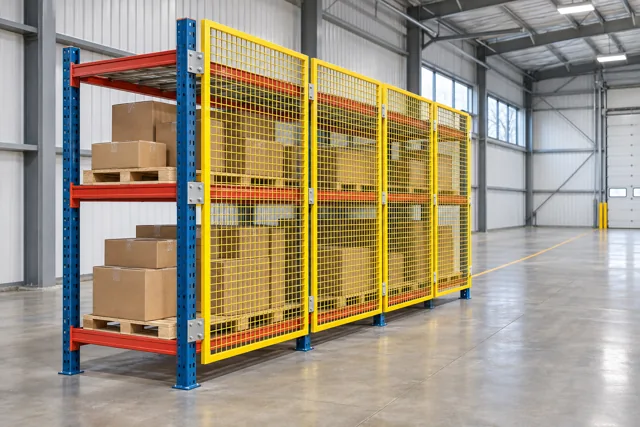
Cogan's wire-mesh rack guards use framed mesh panels and specified mounting arrangements. The images in this article illustrate that rigid-panel option. They do not depict textile netting or a comparative containment test.
As a separate manufacturer's example, InCord's rack-guard information describes multiple net systems and attachment configurations. That variety is a reason to request the details for the selected system rather than assume all safety netting uses the same mounting or performance basis.
| Comparison item | Information needed for either proposal |
|---|---|
| Stored items | Dimensions, weights and relevant load behavior |
| Coverage | Required height, width, edges and any openings |
| Position | Relationship to pallet depth, work areas and building requirements |
| Attachments | Compatible hardware, rack interfaces and installation assumptions |
| Access | Whether the protected side must open for normal work |
| Performance | Evidence and limitations for the exact configuration |
| Upkeep | Condition checks, replacement parts and damage reporting |
Resolve clearance and attachments together
Provide the rack manufacturer or qualified project professional with the proposed attachment requirements. Do not assume that a convenient rack member is an approved fixing point. The rack interface belongs in the design review for the selected containment system.
Ask each supplier to identify the space required around the system for its intended performance and operation. Do not infer that a flexible net can be placed directly against an occupied work area, or that a rigid panel needs no clearance from the stored loads. Show the specified relationships on the layout.
Keep access requirements visible
Identify whether employees pick from the protected side or whether the boundary should remain fixed. An arrangement that opens for access needs an operating process and defined closed condition. Compare that requirement with the actual product offered; do not improvise a removable panel or opening in the field.
Include neighboring aisles, equipment and service access. Where the issue is forklift contact with the bottom of an upright, evaluate the separate rack-column protection requirement. A rear containment system and a lower post protector perform different functions.
Assess claims and maintenance on a common basis
Request the performance documentation for the exact dimensions, attachments and application being proposed. A stated capacity for one net or panel configuration should not be copied to another. Keep any operating limitations with the installation record and communicate them to the responsible staff.
Define how damage, missing hardware or changed load positions will be reported. The observation process should distinguish the guard from the rack itself; a new containment product does not resolve an existing structural defect. If the rack or inventory changes, review the original assumptions before continuing with the same boundary.
For a Cogan wire-mesh proposal, request a project quote with rack dimensions, load information, photographs and the intended coverage and access. A complete brief makes the comparison about the actual warehouse requirement rather than a generic preference for netting or steel mesh.
Frequently asked questions
Are rack netting and wire-mesh guards interchangeable?
No. Compare the complete systems, including coverage, attachments, clearances, access and documented performance for the intended application.
Does adding a rack guard repair a damaged rack?
No. Rack condition and capacity require their own assessment. A containment system should not conceal or substitute for resolving a structural concern.
Can a performance rating from one configuration be used for another?
Do not assume so. Obtain the evidence and limitations for the actual dimensions, mounting arrangement and stored-load application being proposed.
Images are conceptual product visualizations. Final configurations must follow the approved project drawings.
More on Rack Protection
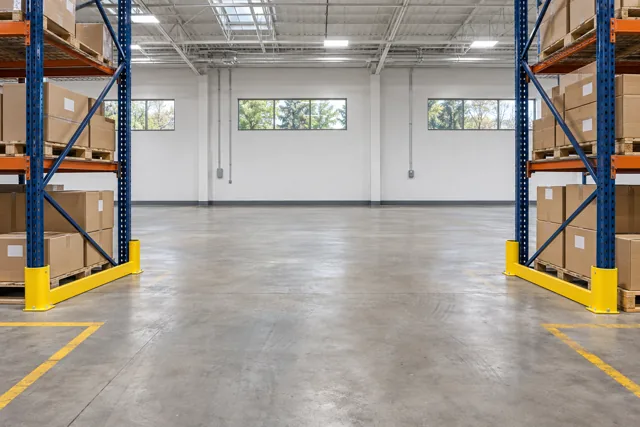
Changing Forklifts? Recheck Rack Protection and Operating Clearances
Review rack guards, aisle-end protection and clearances when forklift dimensions, attachments, loads or operating patterns change.
Rack Guards and Flue Spaces: Coordinate Containment with Fire Protection
Review rack guards, load placement, flue spaces and sprinkler access together before approving changes to rack protection.
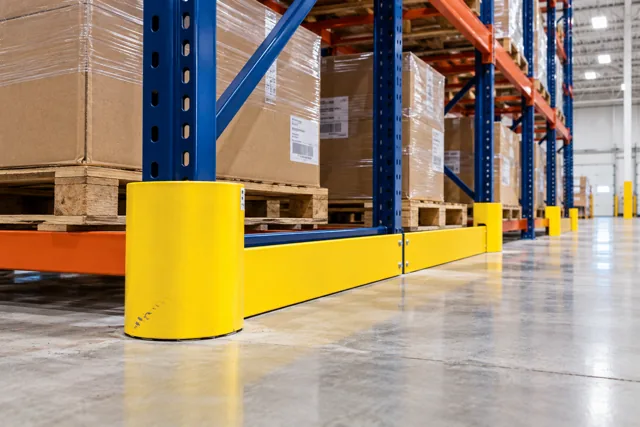
Rack Protection Checks: Record Guard Damage Separately from Rack Damage
Add rack protection observations to site inspections while keeping protector condition, rack condition and approved repair decisions separate.
© 2025 Cogan Wire and Metal Products Ltd., all rights reserved.