




Tenant Storage Locker Locks: Specify Access and Hardware Together
Staging preview.
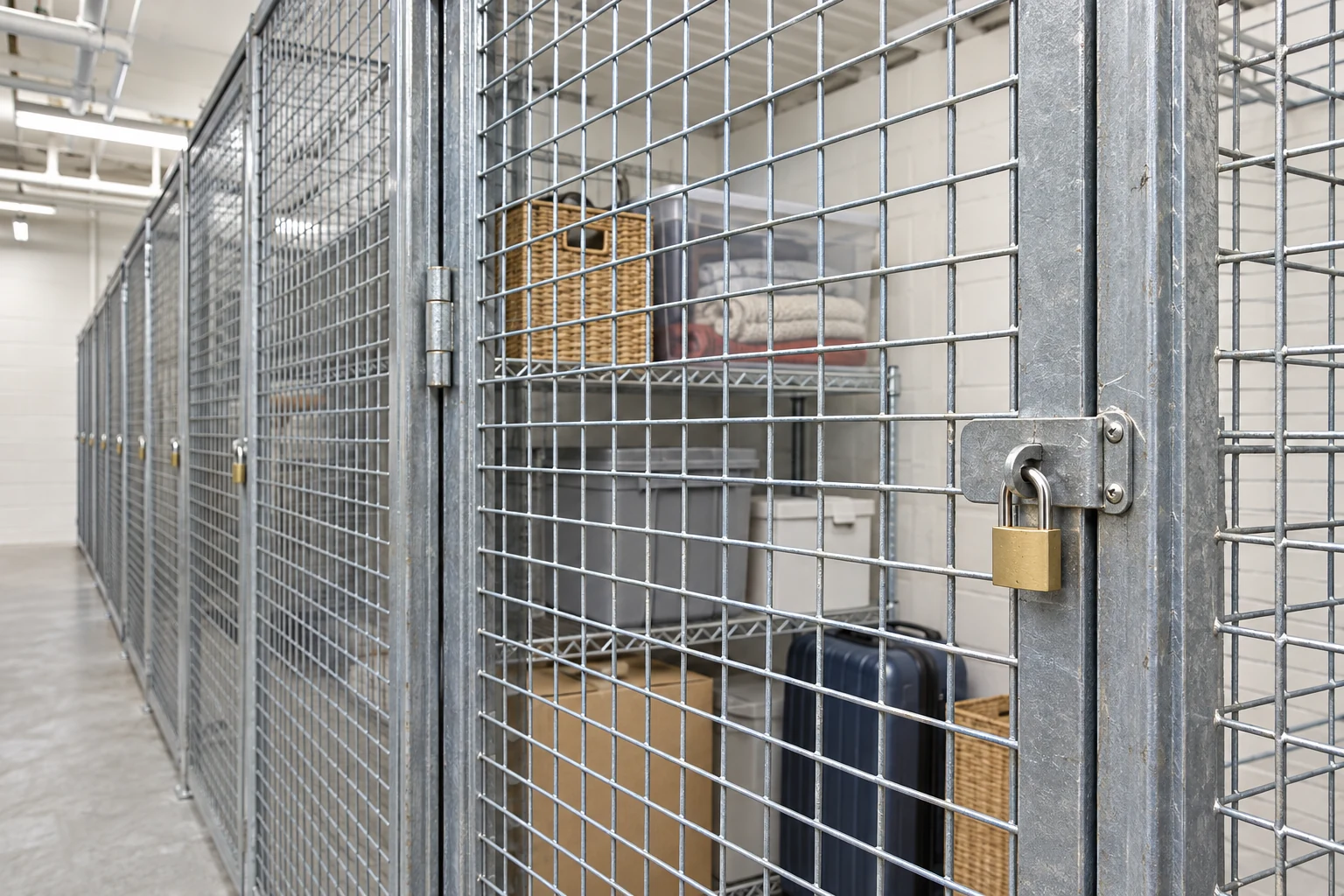
Specify tenant storage locker locks together with the door hardware and the property's access process. Confirm that the proposed lock fits the hasp, the door closes correctly, and responsibility for keys or credentials is clear. A lock's appearance alone does not establish the performance of the complete compartment.
Identify who supplies and manages access
Decide whether residents supply their own padlocks or the property supplies a defined locking arrangement. Record who issues access, how changes are documented and what process applies when access is lost or a resident leaves. Use the property's approved procedures for entering compartments or handling belongings; a hardware selection does not establish those rights.
Keep the locker identifier linked to the assignment record. The physical label can remain stable while the resident assignment changes. The turnover checklist explains how condition and assignment records can support a clear handover.
Check compatibility with the installed hardware
Identify the door and hasp arrangement before choosing a lock. Ask the supplier which dimensions and clearance requirements matter for the specified hardware. A shackle that passes through an opening does not necessarily leave enough room for normal operation or match the intended configuration.
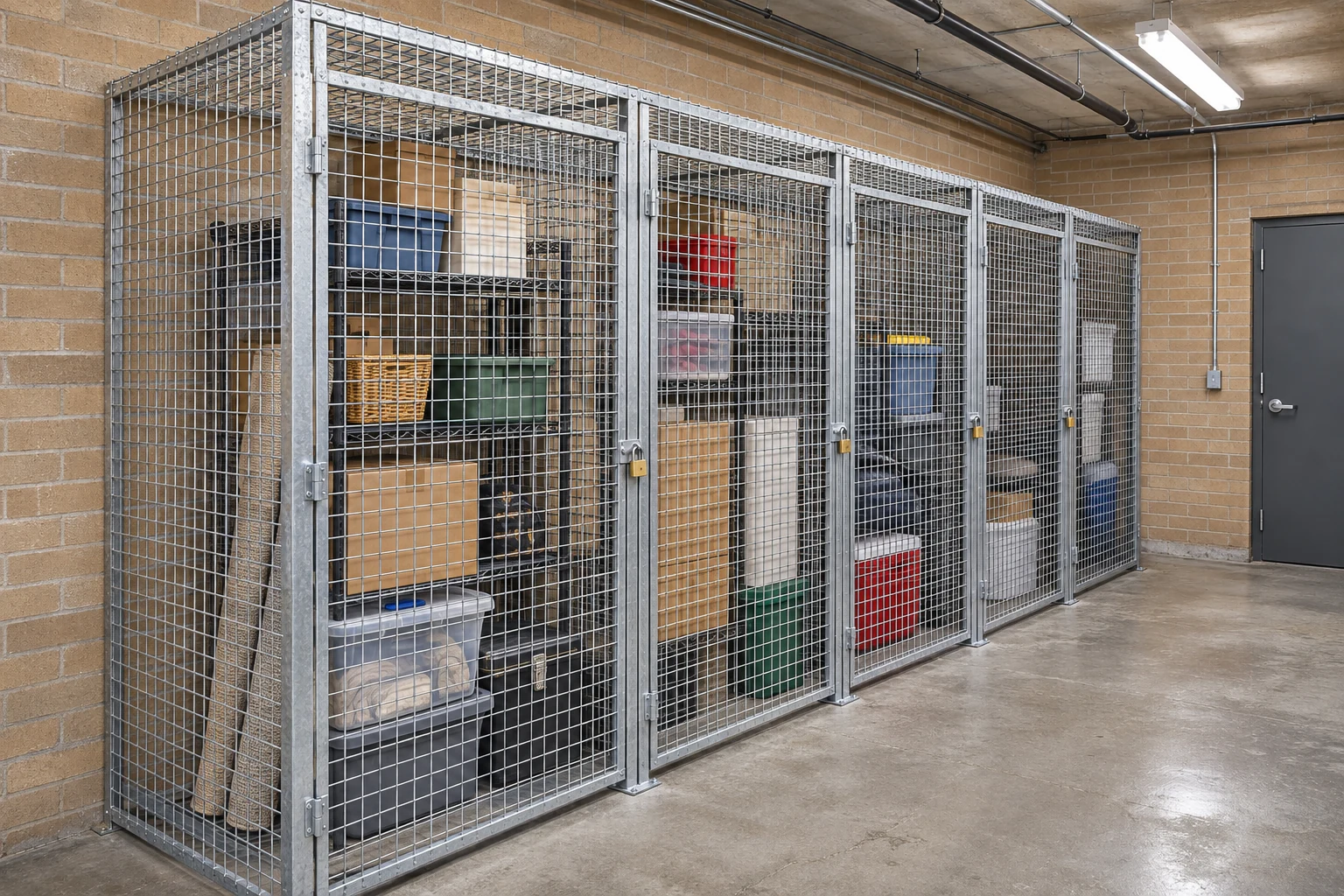
Cogan's single-tier tenant lockers offer full-height compartments assembled from panels, posts and gates. Confirm the installed gate and hardware details rather than assuming every tenant locker uses the same locking interface.
| Decision | Information to record |
|---|---|
| Access ownership | Resident-supplied or property-managed arrangement |
| Hardware fit | Door, hasp and lock compatibility confirmed by supplier |
| Daily use | Space to operate the lock and open the door normally |
| Lost access | Responsible contact and approved resolution process |
| Turnover | Assignment change and treatment of previous access |
| Condition reporting | How residents report damaged hardware or a door that no longer closes |
Inspect the whole boundary when a problem is reported
Check the door alignment, hinges, mesh and adjoining panel connections as well as the lock. A door that needs to be forced closed may have a condition issue that a different padlock will not resolve. Record the observation and have the appropriate installer or supplier assess it.
Do not claim a particular security rating for the locker because a rated lock has been selected. The complete enclosure, its openings and its installation need to match any specified performance requirement. If a project requires a defined level of resistance or an access-control system, state that requirement and request the supporting evidence.
Make the everyday process practical
Provide residents with clear instructions for the assigned locker, normal access and reporting problems. Keep the shared aisle outside the storage allocation so a resident can reach and operate the door. The locker sizing guide addresses those layout questions.
Where the property manages keys or credentials, use its established control process for issuance, changes and record access. Avoid displaying personal resident details on public locker labels. The aim is a traceable assignment, not an unnecessary public record of who stores belongings in each compartment.
Include hardware in the project brief
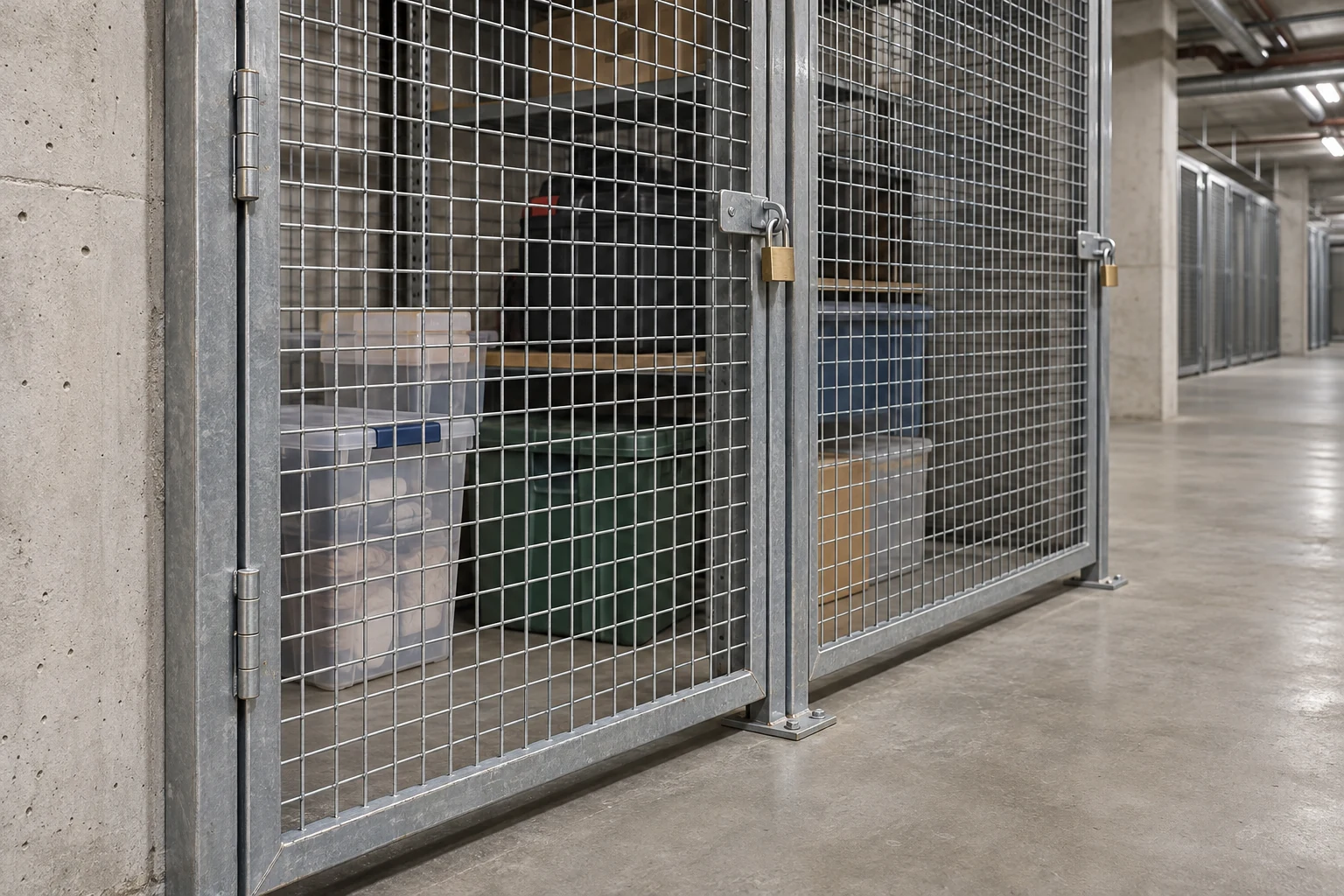
For a new installation or replacement gate, provide photographs, the locker identifier, door dimensions and the intended access arrangement. Identify any requirement for property-managed access before ordering. Ask which hardware is included, which is supplied by others and what must be confirmed during installation handover.
If a compartment is in a parking garage, include the parking and resident-access plan with the hardware review. Request a Cogan quote with the complete hardware and operating scope so the lock is considered as part of the usable storage compartment.
Frequently asked questions
Can any padlock be used with a tenant locker?
Do not assume compatibility. Confirm the lock and hasp dimensions, clearance and intended hardware arrangement with the supplier before selecting it.
Does a rated lock establish a rating for the whole locker?
No. A component rating does not establish the performance of the complete door, panels, openings and installation. Request evidence for any whole-system requirement.
What should happen when a locker door becomes difficult to close?
Report and assess the door, hinges, hasp and adjoining connections. Do not treat a different lock as a repair for an unresolved alignment or condition problem.
Images are conceptual product visualizations. Final configurations must follow the approved project drawings.
More on Lockers
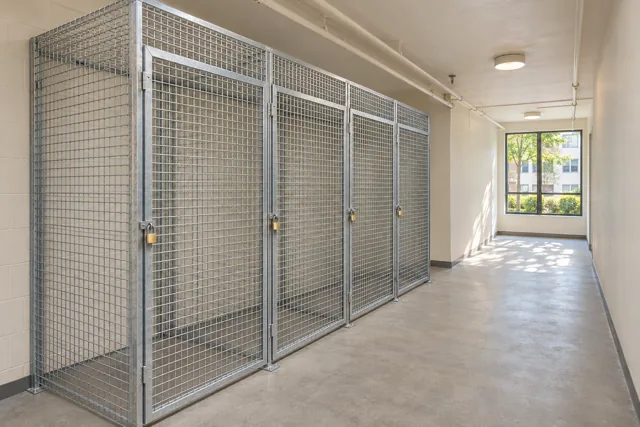
Hanging vs Floor-Level Tenant Lockers: Compare Everyday Access
Compare hanging and floor-level tenant lockers by item handling, access, building supports and parking or storage-room constraints.
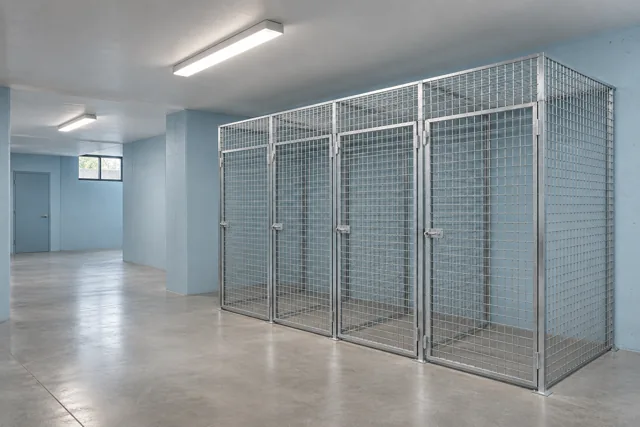
Wire-Mesh Storage Locker Care: Cleaning, Moisture and Damage Records
Create a practical care routine for tenant mesh lockers, keeping cleaning, building moisture problems and repairs separate.
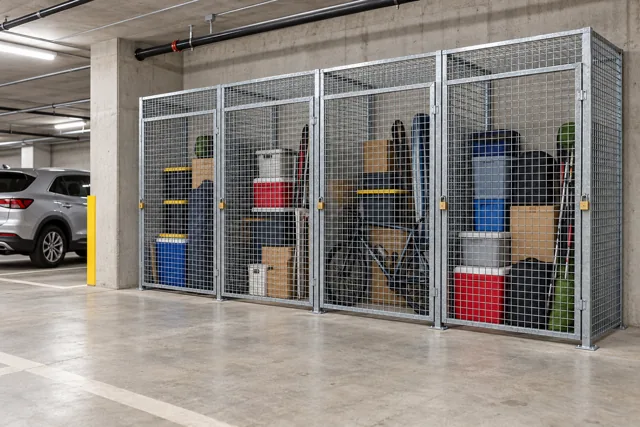
Garage Storage Lockers: Plan Parking Clearance and Resident Access
Plan garage storage lockers around parked vehicles, door movement, shared access and building services before allocating storage space.
© 2025 Cogan Wire and Metal Products Ltd., all rights reserved.