




Wire-Mesh Storage Locker Care: Cleaning, Moisture and Damage Records
Staging preview.
Wire-mesh locker care should keep the enclosure clean, the door usable and damage easy to report. Start with the finish and hardware actually supplied, use compatible cleaning instructions, and address building moisture separately. A mesh locker provides an open enclosure; it does not make a damp storage room dry or protect every stored item from the surrounding environment.
Identify the finish before selecting a cleaner
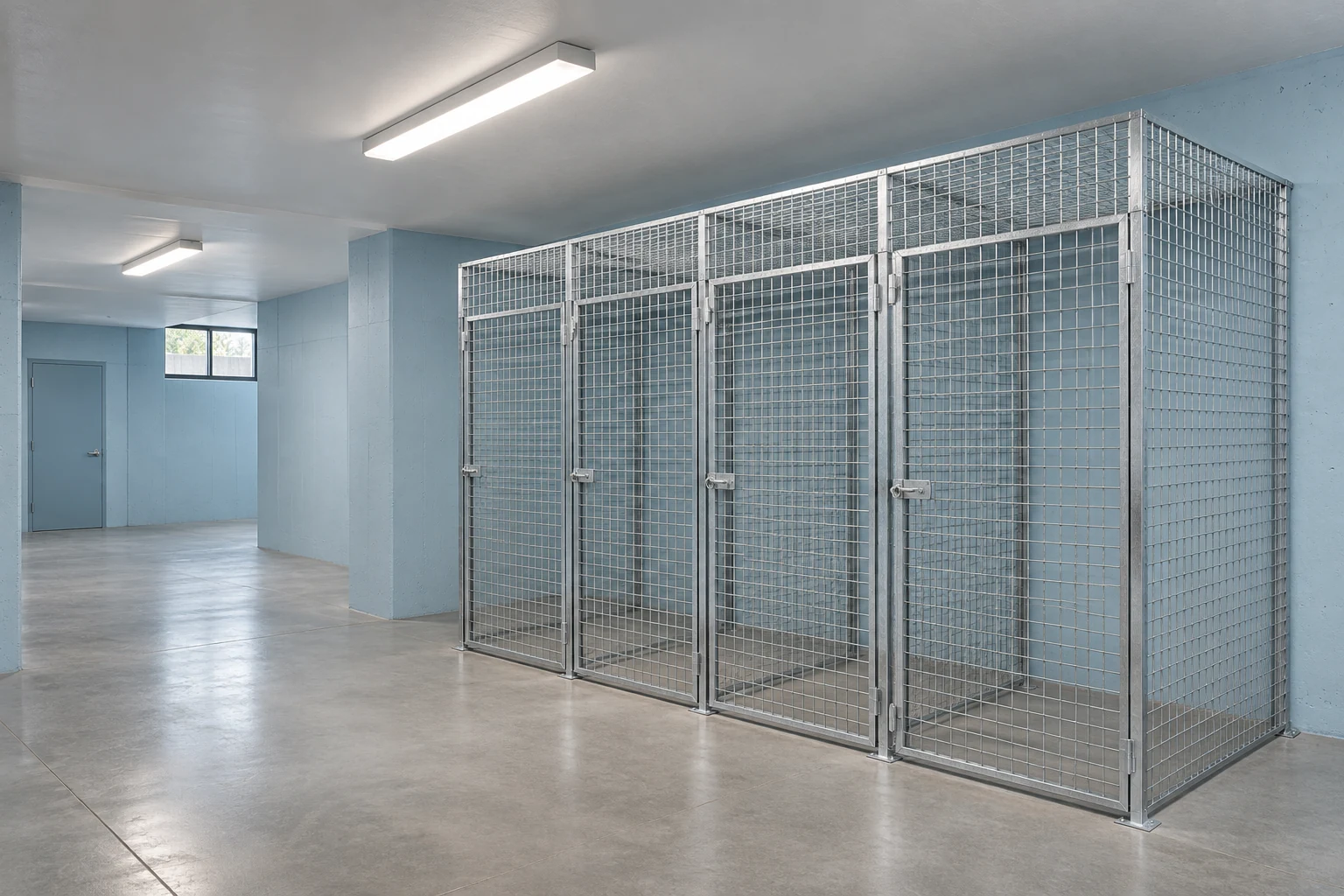
Keep the original locker specification and maintenance information with the property records. Cogan's single-tier tenant lockers use an open mesh arrangement, but a care method should account for the particular panels, hardware and finish in the installed system. Do not transfer instructions for painted office lockers to galvanized mesh without checking compatibility.
The American Galvanizers Association explains that cleaning galvanized steel depends on the contaminant and the coating. Its guidance is useful background, not approval of every cleaner for a complete Cogan locker. Ask for a suitable method when the finish, stain or chemical is uncertain. Avoid abrasive or chemical treatment that could damage the coating or adjacent lock hardware.
Separate housekeeping, moisture and physical damage
A practical inspection sheet needs different actions for different findings. Dust on a panel, water beneath a row and a bent hinge do not have the same owner or remedy. Recording all three as “locker dirty” can leave the important issue unresolved.
| Observation | First record | Responsible follow-up |
|---|---|---|
| Dust or loose debris | Location and affected surfaces | Approved routine housekeeping |
| Repeated wet floor | Time, extent and nearby services | Building leak or moisture investigation |
| Finish discoloration | Clear photographs and recent exposures | Finish-specific advice before treatment |
| Door rubbing or latch misalignment | Door ID and operating symptoms | Hardware and enclosure assessment |
| Broken wire or loose attachment | Location and access exposure | Restrict affected use and arrange review |
Keep the aisle clear while work is underway. Coordinate access to occupied lockers with residents and the property's established procedures. Do not move or discard a resident's property as part of an informal cleaning round.
Make routine cleaning a controlled task
Schedule work when the room can be accessed without blocking residents or leaving wet walking surfaces. Remove accessible loose debris using a method appropriate to the finish. Follow the selected cleaning product's instructions and the locker supplier's advice; more concentrated cleaner is not automatically more effective or safer for the coating.
Keep liquids away from hardware that has different maintenance requirements. Where the approved method calls for rinsing or drying, plan how that will happen without transferring water to stored goods or adjacent building systems. Do not soak contents through the mesh. If contamination is hazardous or unknown, refer it to the appropriate specialist instead of treating it as ordinary dust.
Record door and panel condition without improvising repairs
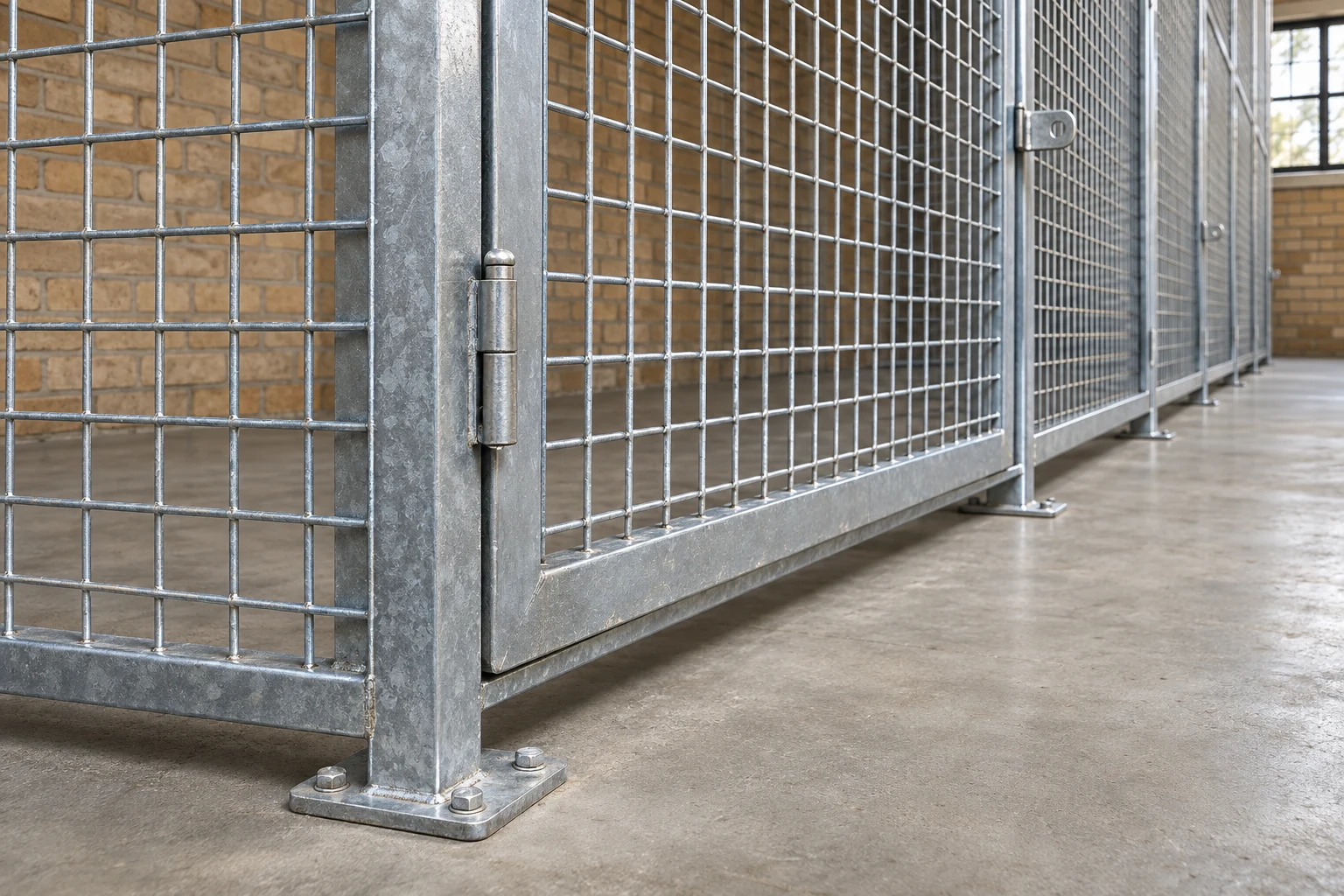
During an agreed check, observe whether the door travels freely, meets its receiver and latches as intended. Note unusual movement, damaged wires, missing fasteners or a changing gap at the frame. Record the symptom and location; do not straighten parts, enlarge holes or substitute hardware without an approved repair method.
A recurring scraping door may reflect more than a dirty hinge. Comparing dated photographs and previous reports helps the service team determine what to inspect. Keep the repair disposition and completion date with the same locker ID so the next manager does not start with an empty record.
Address the room as well as the locker
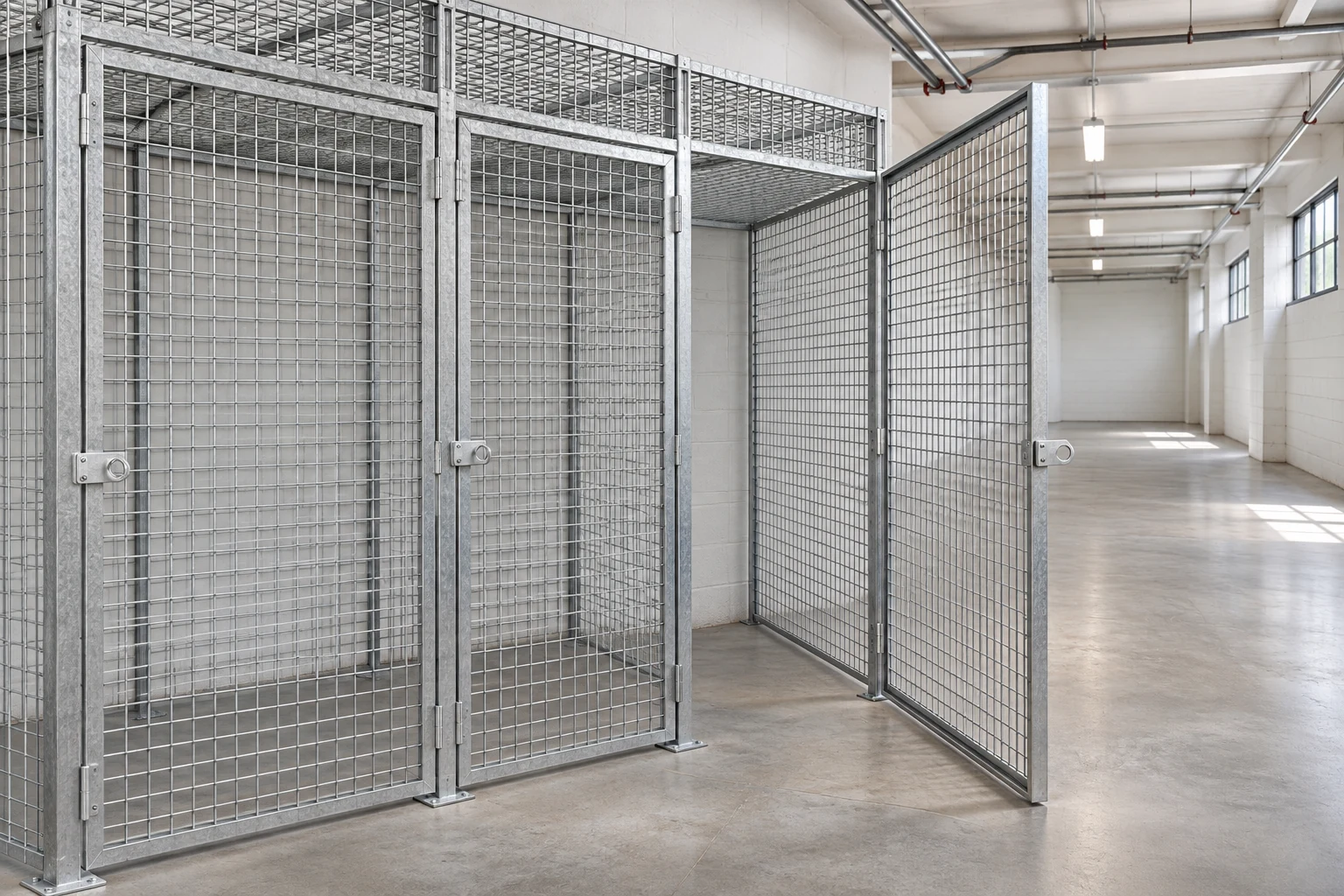
Ask the building team to investigate recurring condensation, leaks or standing water. Open mesh should not be described as a dehumidification system. Resident storage rules should also address obstructed aisles, goods projecting through panels and unauthorized coverings or attachments. Check proposed liners or coverings before they change the enclosure's visibility, ventilation or fire-protection assumptions.
For changes to a row, review Cogan locker options and request a quote with the existing layout and photographs. The tenant-turnover checklist covers handover and assignment; this care routine continues between those events.
Frequently asked questions
Can every wire-mesh locker be pressure-washed?
No. Confirm a cleaning method for the installed finish, hardware, surrounding room and stored contents. Do not assume that open mesh makes pressure washing suitable.
Does a mesh locker prevent moisture damage to belongings?
No. The enclosure remains exposed to the room's conditions. Recurring leaks, condensation or standing water need building-level investigation and appropriate storage practices.
Should staff bend a rubbing door back into position?
Do not improvise a repair. Record the affected door and symptoms, restrict use if necessary, and obtain an approved assessment and repair method.
Images are conceptual product visualizations. Final configurations must follow the approved project drawings.
More on Lockers
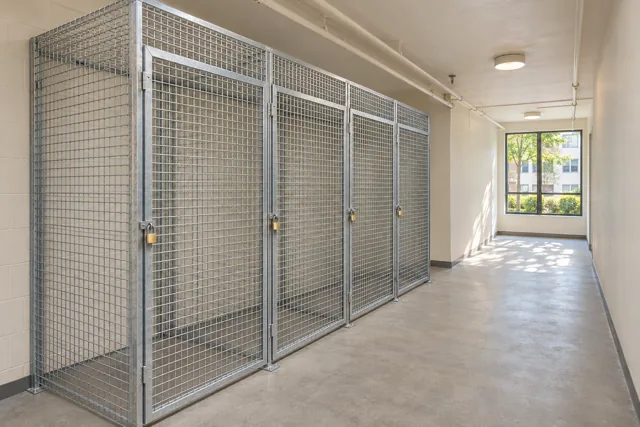
Hanging vs Floor-Level Tenant Lockers: Compare Everyday Access
Compare hanging and floor-level tenant lockers by item handling, access, building supports and parking or storage-room constraints.
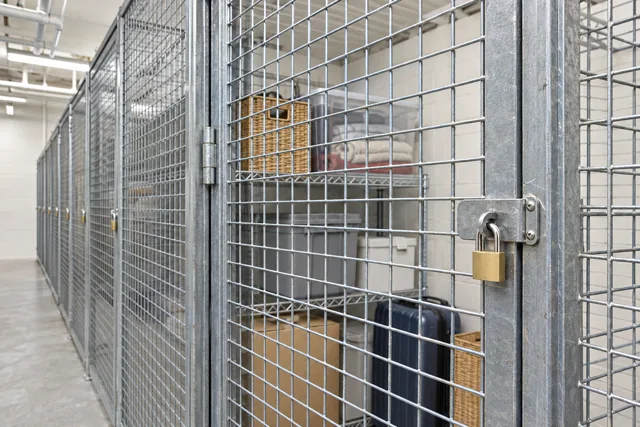
Tenant Storage Locker Locks: Specify Access and Hardware Together
Plan tenant locker locks around compatible hasps, door condition, resident access and key or credential administration.
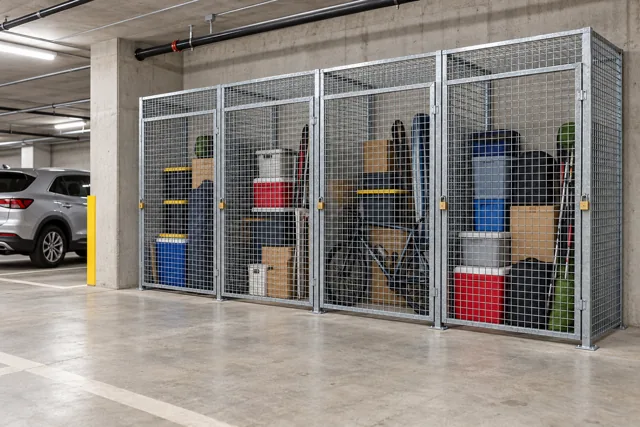
Garage Storage Lockers: Plan Parking Clearance and Resident Access
Plan garage storage lockers around parked vehicles, door movement, shared access and building services before allocating storage space.
© 2025 Cogan Wire and Metal Products Ltd., all rights reserved.